Solar Energy
We’re advocates for utilizing the inherent potential of solar and wind energy. Many countries have used renewable energy technologies for decades.
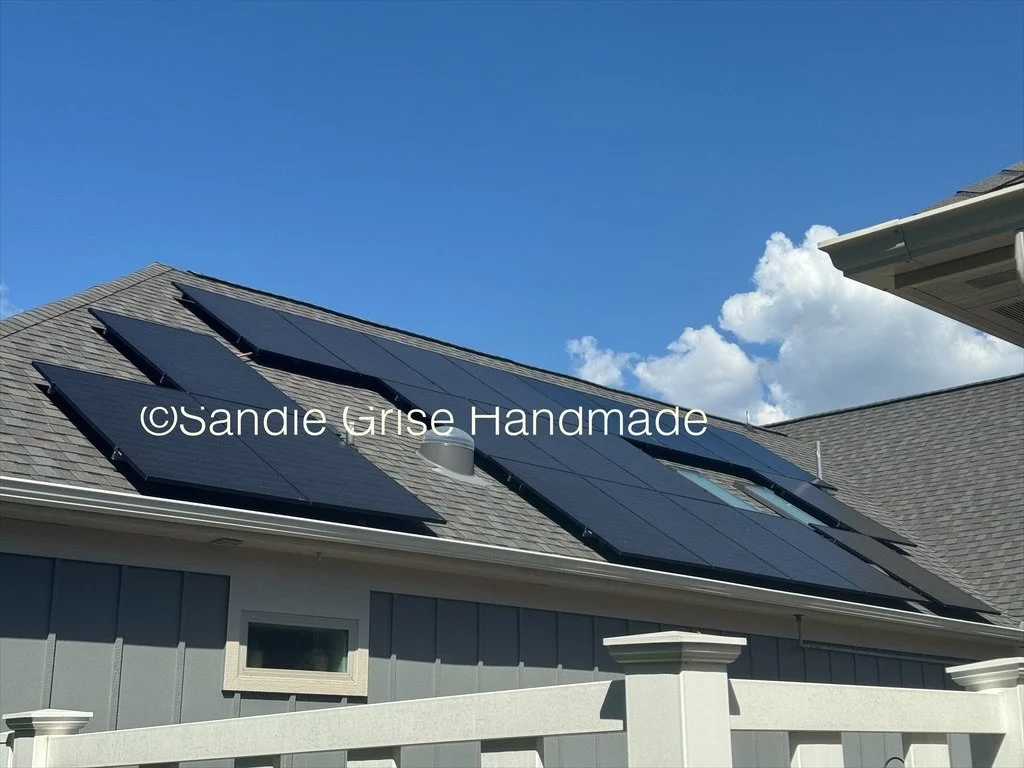
As depicted by this view of our roof, our kitchen features a pair of skylights, supplemented by two solar tubes, as well as a transom window leading into the owner's suite bathroom. And now we have solar panels.
One of the reasons why we chose this particular house design was the strategic placement of windows throughout the house which eliminates the need for artificial lighting during the day. The abundance of natural light pouring in through the skylights renders artificial lighting in the kitchen unnecessary, except at night.
The benefits of using solar energy is lower energy costs without greenhouse gas emissions which reduces the need for using fossil fuels which are a finite resource. Solar energy can significantly reduce or eliminate your energy costs. Excess power can be sold back to your local utility grid or stored in on-site batteries. For us, it’s a clean renewable way to reduce our energy bills.
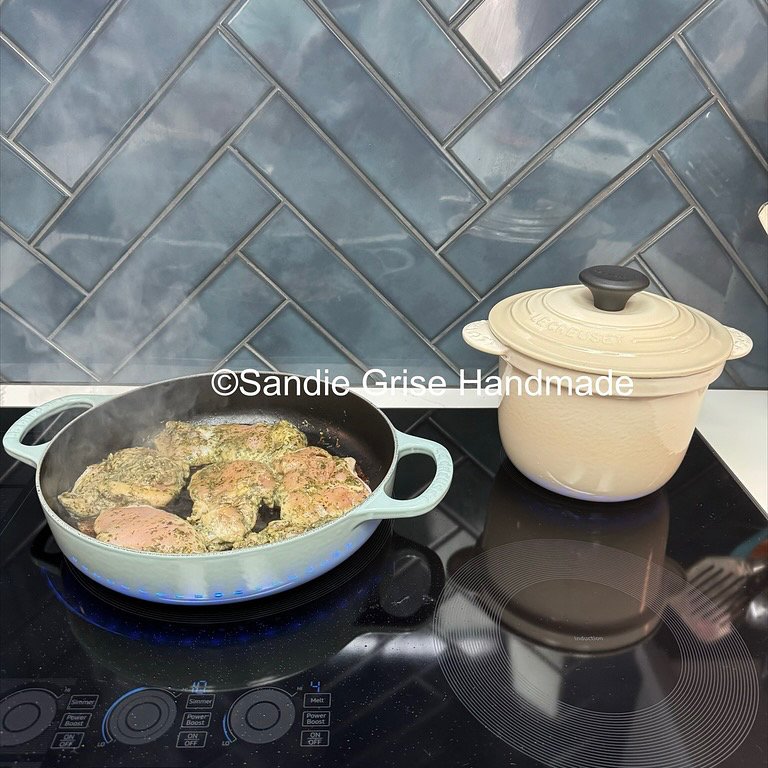
Last year we switched from a natural gas cooktop to an induction cooktop. Induction cooking is the way to go, it’s more efficient than conventional electric or gas cooktops. One of the things I didn’t like about our previous cooktop was how residual heat would continue to emit from the iron grates on the gas cooktop long after turning off the burner, that doesn’t happen with induction cooktops. Do you need specialty cookware for induction cooktop? Stainless Steel cookware works just fine as does cast iron and enameled cast iron cookware.
From Epicurious.com
Key Benefits of Induction Cooking
Superior Speed & Precision: Induction can boil water 20% to 40% faster than gas, often reaching a boil in under three minutes. It also provides nearly instant temperature adjustments, allowing you to drop from a rolling boil to a delicate simmer immediately.
Improved Indoor Air Quality: Gas stoves emit pollutants like nitrogen dioxide, carbon monoxide, and formaldehyde. Switching to induction can reduce nitrogen dioxide exposure by over 50%, which is particularly beneficial for reducing respiratory risks like childhood asthma.
Enhanced Safety: Because the cooktop itself doesn't get hot (only the pan does), the risk of burns is significantly lower. Most units also feature auto-shutoff if no pan is detected, and there is no risk of gas leaks or open flames.
Easier Cleanup: Since the glass surface stays relatively cool, spills don't burn or "bake" onto the cooktop. You can simply wipe the flat surface clean without dealing with heavy metal grates or burners.
Cooler Kitchen Environment: Gas burners lose about 60% of their heat to the surrounding air. Induction transfers 80% to 90% of energy directly to the food, keeping your kitchen noticeably cooler during summer months and reducing the load on your HVAC system.
Energy Efficiency: Induction is the most efficient cooking method, operating at approximately 90% efficiency compared to roughly 40% for gas. This efficiency leads to lower energy consumption and can help reduce utility bills