Sewing rooms, past and present
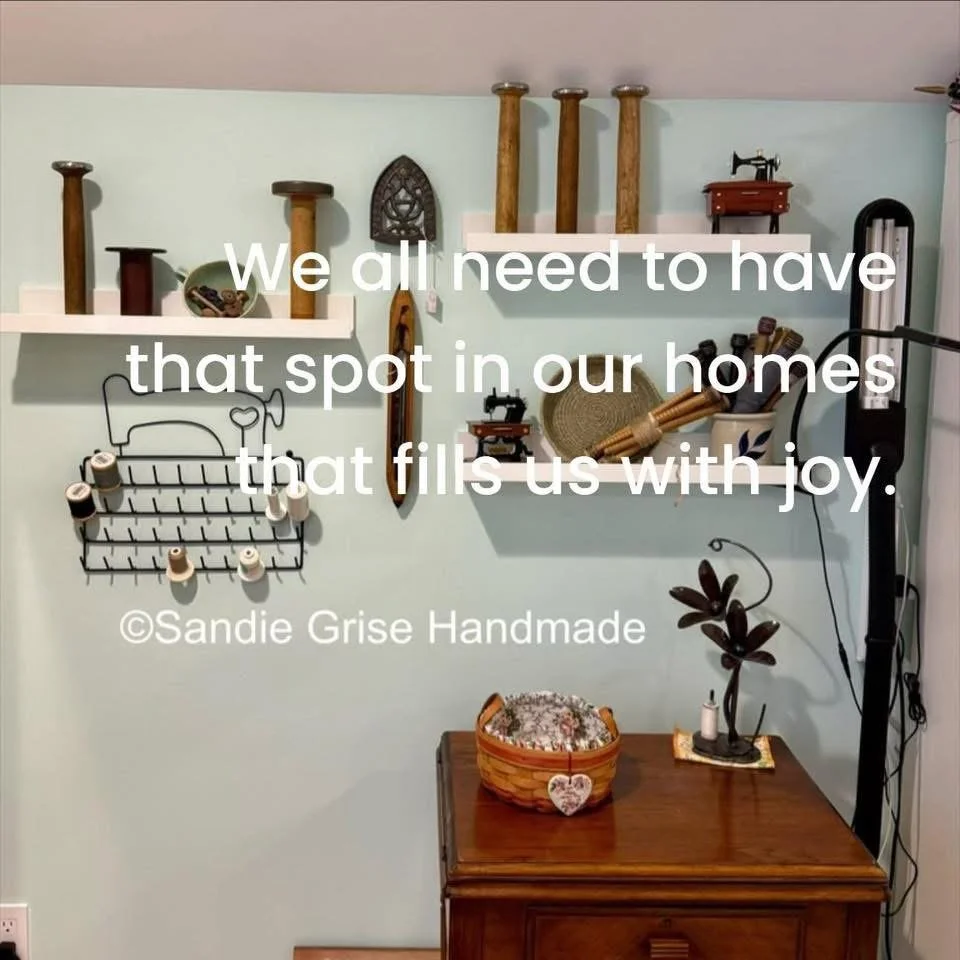
A creative space can be a modest corner in a room or simply a spot situated in front of a window.
The elaborate, well-appointed sewing rooms frequently showcased on Instagram, complete with chandeliers and jelly rolls displayed on cake plates, are a relatively modern phenomenon.
The mothers of my friends who owned a sewing machine and created their own clothing and other textile items for the home did not have the luxury of their own sewing rooms; instead, their sewing machines were set up on a table in their bedrooms.
My grandmother was the first person I knew who had a dedicated sewing room. She always had a project underway in her sewing room, and her ironing board was perpetually set up and ready to press fabric. This was in the early 1970s, and such a space was a rarity at that time.
My own mother was a kitchen table sewist who would pack up her sewing supplies and store them in the closet whenever we returned home from school. The lighting in her bedroom was inadequate, with no ceiling lights installed in any of the rooms except for the kitchen and dining area. It was not until both my sister and I had moved out of the house that she finally set up her sewing machine in my sister's former room and converted mine into a guest room. I have to shake my head when I think of how my mother had set up no less than 6 lamps in that room to create adequate lighting in her sewing room.
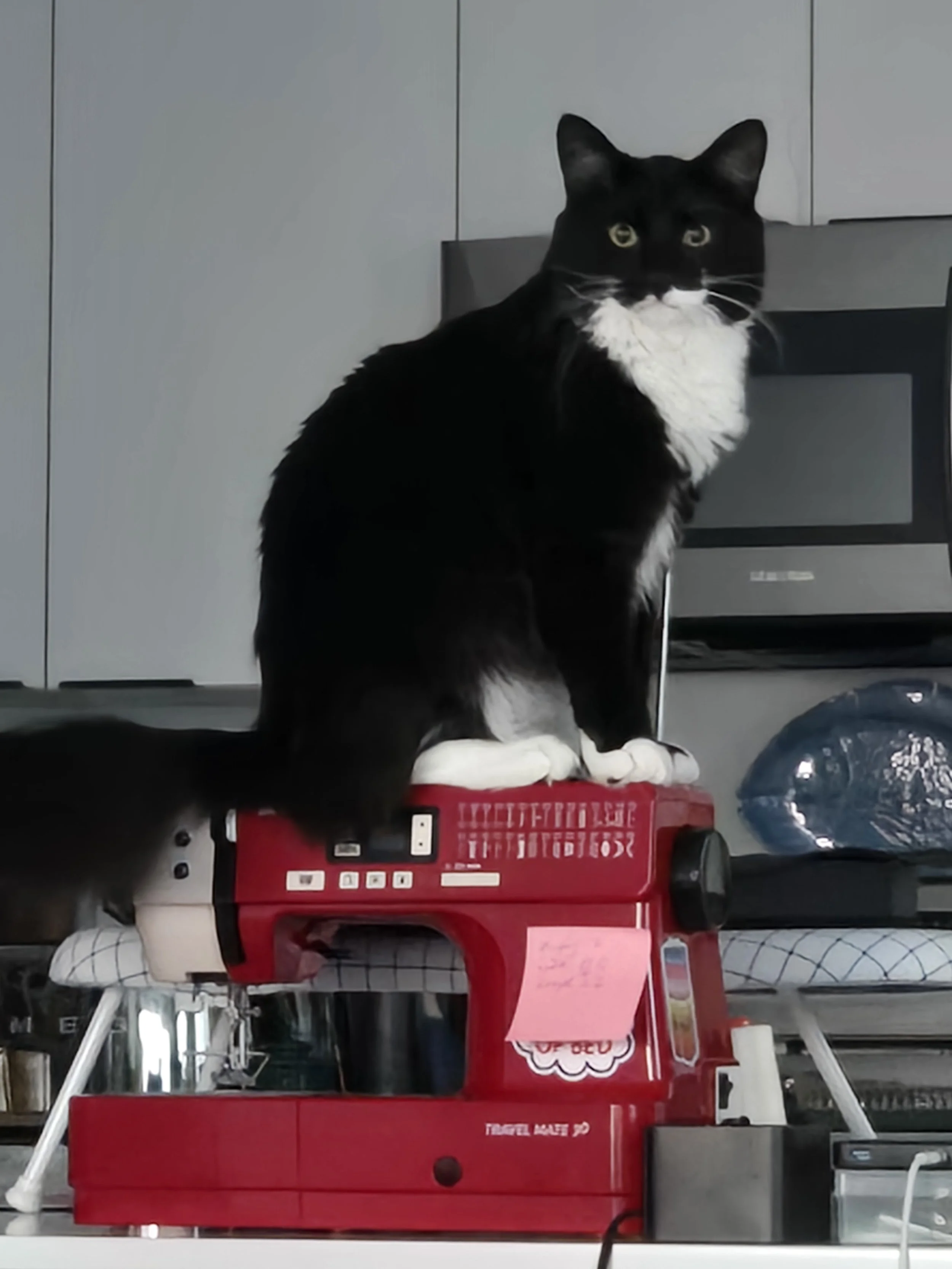
My daughter lives in an apartment and she utilizes her large kitchen island as her makeshift sewing room. She has her sewing machine set up on one and her cutting mat, ruler and rotary cutter at the other end. When she’s done she puts her sewing machine and quilting items back in her sewing cart and wheels it into her closet.